

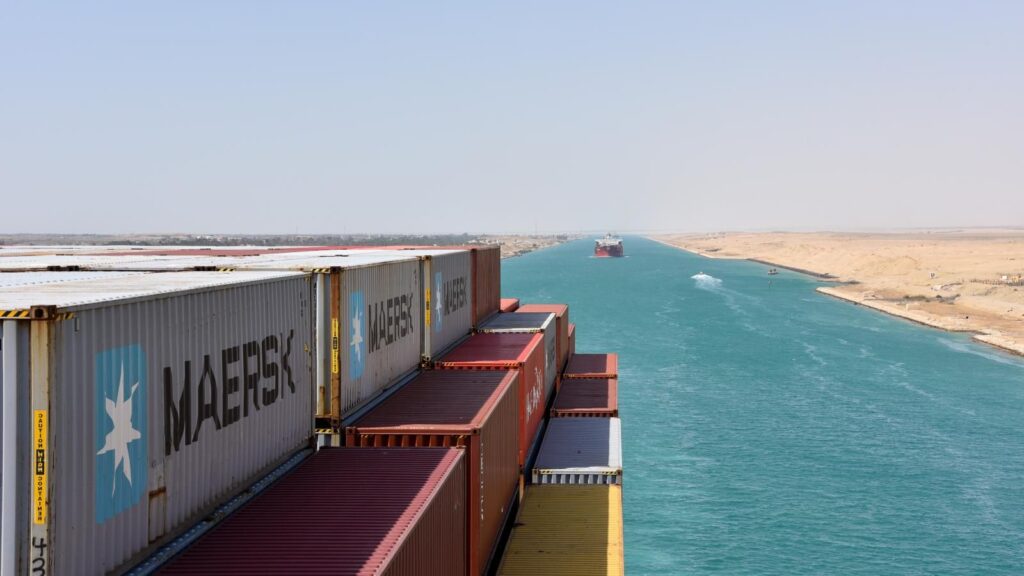
A surge in maritime traffic around Africa is driving increased demand for ship refuelling services, as global shipping routes continue to shift away from traditional corridors disrupted by conflict in the Middle East, according to a Reuters report.
Shipping companies are increasingly bypassing the Suez Canal and the Bab el-Mandeb Strait, opting instead for longer voyages around the Cape of Good Hope. The change, triggered initially by attacks on Red Sea shipping in late 2023, has been reinforced by escalating tensions involving Iran and disruptions in the Strait of Hormuz.
Major global carriers including Maersk, Hapag-Lloyd and CMA CGM have confirmed rerouting vessels along the longer Cape corridor. While the detours extend travel times, they are simultaneously boosting Africa’s importance as a bunkering — or ship refuelling — hub.
Industry players say the shift is already translating into stronger business for fuel suppliers along Africa’s coastline. Firms such as Monjasa report increased volumes, with spokesperson Thorstein Andreasen noting that demand has been “positively impacted” by vessels diverting southward.
New entrants are also moving in to capitalise on the trend. Companies including Vitol, Bunker Partner, Peninsula, Flex Commodities and Global Fuel Supply have announced expansion plans across key African locations.
At Namibia’s Walvis Bay and Lüderitz, Flex Commodities has launched new refuelling operations aimed at capturing growing traffic along the Cape route. The company says it is targeting both passing vessels and offshore demand, particularly in West Africa where supply gaps persist.
Shipping executives suggest the rerouting trend is no longer temporary. Bhavan Vempati, a senior executive at Maersk, described the shift as an “operational reality” after nearly two years of sustained disruptions, indicating that the industry has adapted to a new normal.
Data from the Cape Chamber of Commerce and Industry shows vessel diversions along the Cape route have surged by over 100 percent in early March, underscoring the scale of the transformation.
Elsewhere on the continent, growth prospects for the bunkering sector are also being driven by expanding intra-African trade and investments in port infrastructure. At Port Louis, bunker fuel sales nearly doubled in 2024, reflecting rising demand.
However, challenges remain. Analysts warn that supply constraints could intensify due to reduced Middle Eastern exports, while infrastructure limitations and regulatory hurdles continue to weigh on growth. Congestion at Port of Tema and tax-related issues in South Africa have already affected operations in some areas.
In South Africa, bunkering activity at Algoa Bay has declined following stricter tax enforcement, with volumes dropping significantly over the past year, according to industry data.
Despite these headwinds, market watchers believe Africa’s strategic position on global shipping routes could cement its long-term role in maritime fuel supply — particularly if instability in traditional corridors persists.



More Stories
Iran War: Fuel Shortages Loom in Kenya as Tensions Disrupt Supply
Massacre in Northern South Sudan Leaves Nearly 180 Dead
NGX Posts Moderate Gains in Tuesday Trading